Commercial general contracting in Oneonta, NY involves more than pulling permits and scheduling subcontractors. It means working with a team that understands hillside grading, the historic-district design review, and freeze-thaw construction timing specific to Otsego County. This guide breaks down the services, project types, costs, and vetting questions that matter most before you sign a contract.
Commercial General Contracting Services in Oneonta, NY
A general contractor manages budgeting, permitting, subcontractor coordination, scheduling, and closeout from the first site visit through final inspection.
In Oneonta, that scope covers renovations and build-outs for retail, medical, and institutional clients alike.
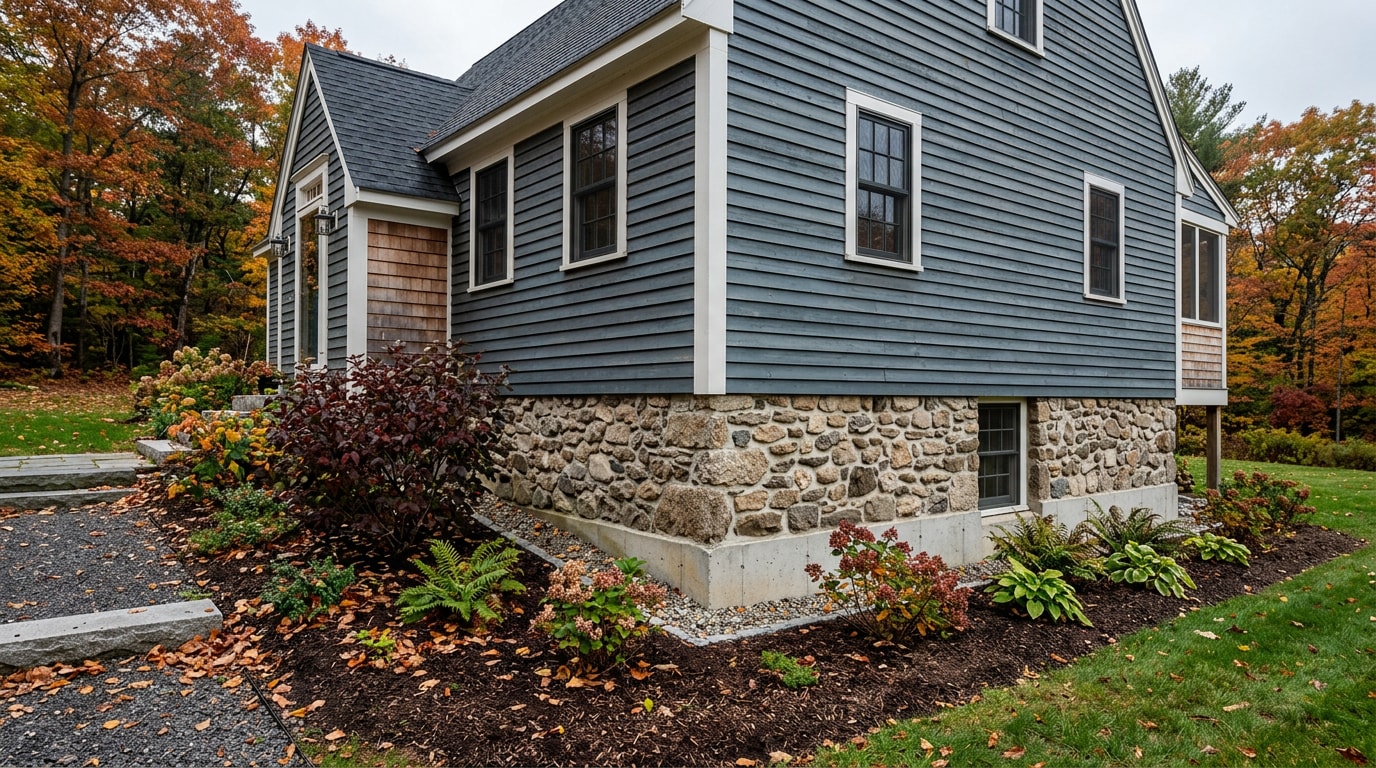
It also increasingly includes the trades that finish a commercial space out: roofing, siding, and flooring. A building envelope that fails inspection can delay a tenant's opening by weeks, so many owners ask their general contractor to handle roofing, siding, and flooring scopes under one contract rather than juggling separate vendors.
Downtown Oneonta & Main Street Build-Outs
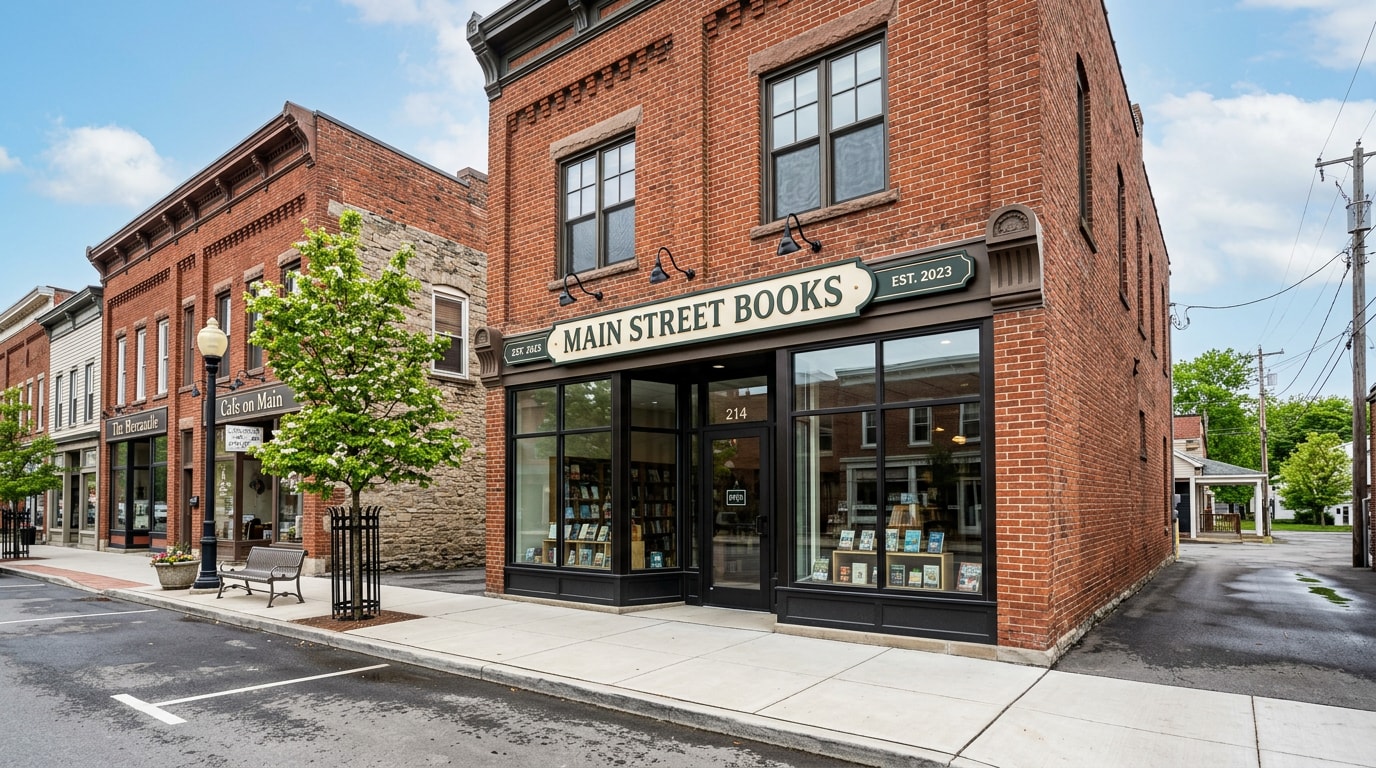
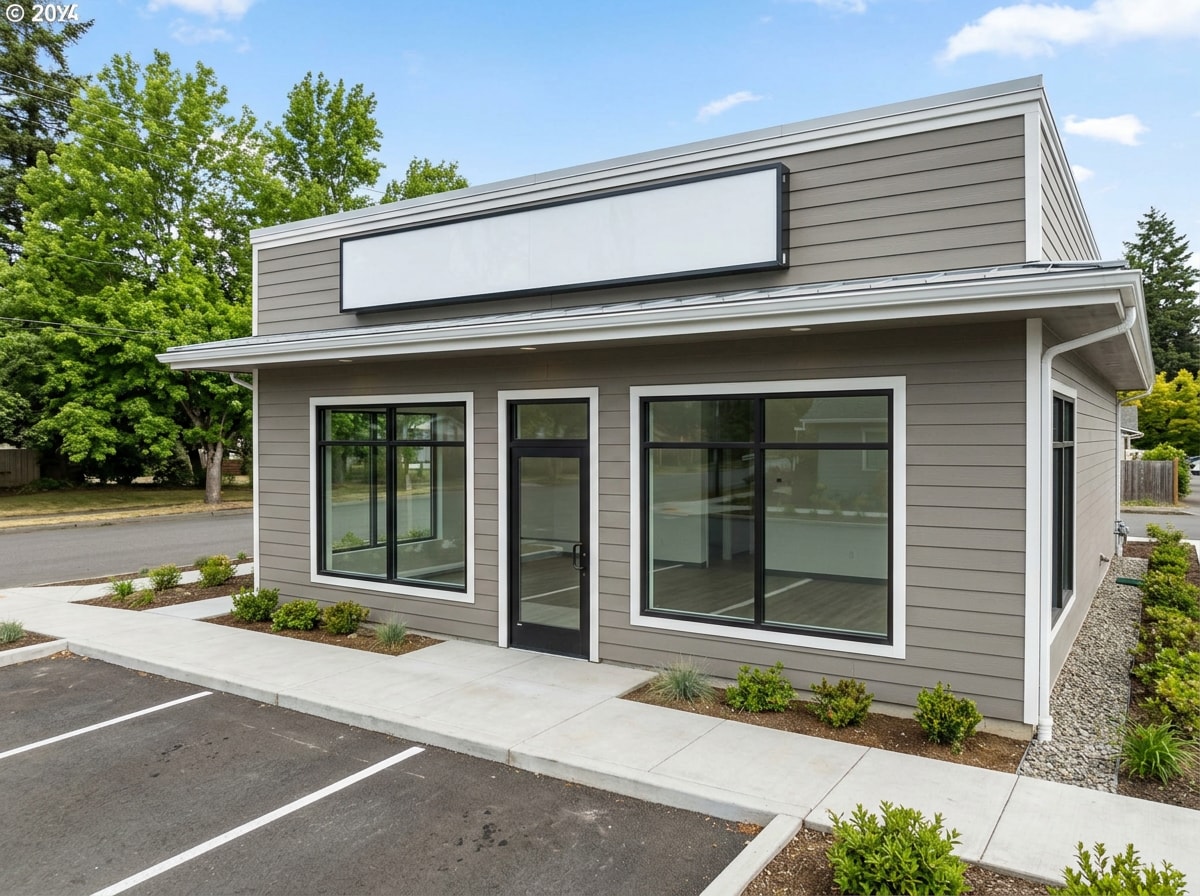
Retail shops, restaurants, and small offices along Main Street often need a full overhaul: new layouts, updated mechanical systems, and ADA-compliant entries.
A downtown Oneonta build-out usually involves extra coordination with the city's historic-district design guidelines, since storefront changes in this corridor go through architectural review before permits get pulled. A restaurant build-out adds grease-trap and ventilation requirements on top of that.
Campus-Area & Student Housing Upgrades
Properties near SUNY Oneonta see steady demand for student housing turnovers and shared-space renovations.
A contractor familiar with the academic calendar schedules the heaviest work (flooring, plumbing, electrical) during summer break, when units sit empty and disruption to tenants stays low.
Medical Office & Professional Suite Construction
Medical office build-outs carry compliance layers beyond standard commercial work. A healthcare facility contractor needs to plan for ADA clearances, infection-control details like handwashing station placement, and dedicated electrical or plumbing loads for diagnostic equipment.
Getting these details right the first time avoids costly rework once inspections begin.
What Types of Commercial Projects Can a General Contractor Handle?
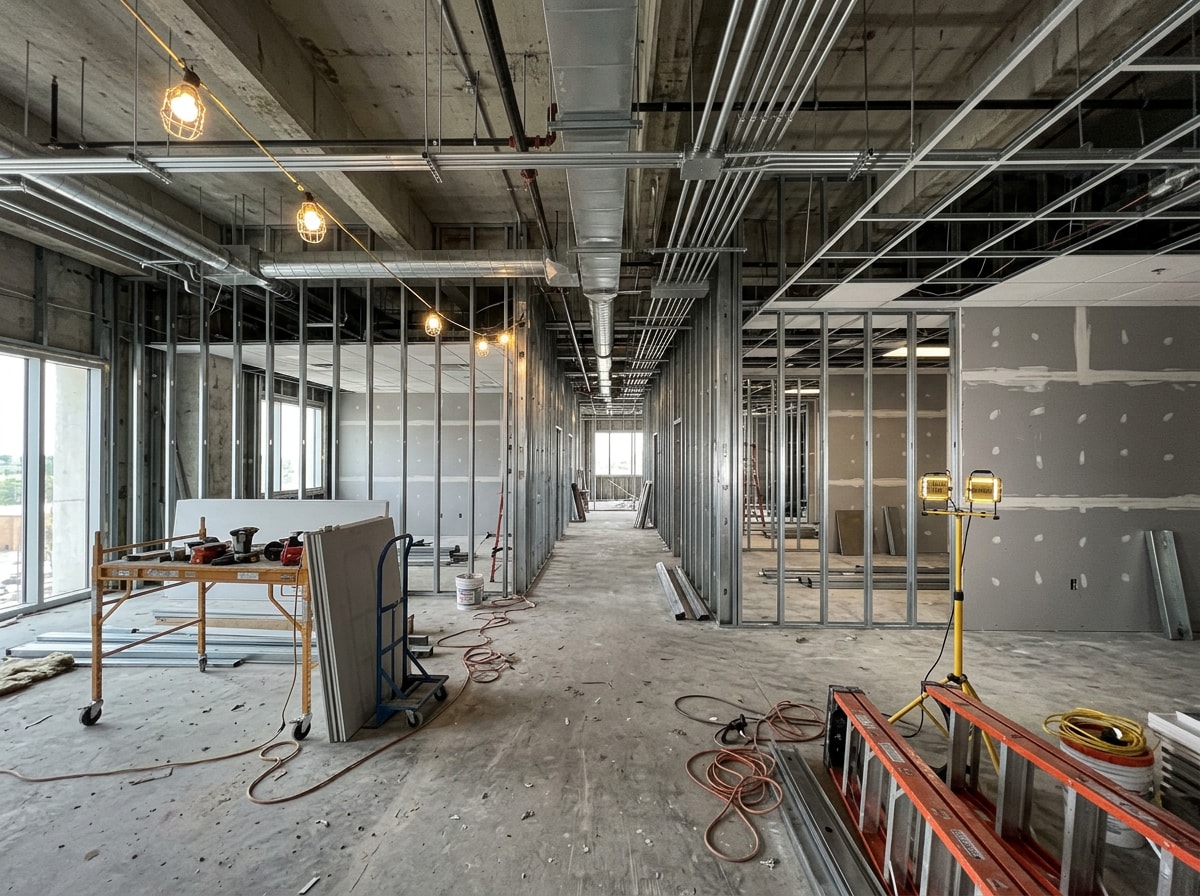
A commercial contractor plans, coordinates, and builds spaces used for business purposes: offices, restaurants, retail stores, hotels, and medical clinics. In the Oneonta area, that scope stretches into institutional, industrial, and pre-engineered agricultural buildings, since local commercial general contracting services often serve a mix of business and public-sector clients.
| Project Type | Oneonta-Area Example |
|---|---|
| Retail construction | Downtown Main Street storefront renovation |
| Institutional construction | SUNY Oneonta-adjacent student housing renovation |
| Industrial construction | Pre-engineered warehouse or agricultural building near Route 7 |
| Office construction | Professional suite build-out for a medical or legal practice |
National construction activity gives useful context for budgeting, even though it doesn't translate directly to a market Oneonta's size. Construction spending during August 2026 was estimated at a seasonally adjusted annual rate of $2,203.1 billion, 0.9 percent above the revised July estimate , according to the U.S. Census Bureau's monthly construction spending report. A single-digit percentage shift at the national level still means real material and labor cost swings for a project bid upstate, which is one more reason to get a current local estimate rather than relying on last year's numbers.
Design-Build vs. Design-Bid-Build
Design-build puts design and construction under one contract, with early permitting and site work often moving forward while final working drawings are still being finished. That overlap can shave weeks off a traditional schedule.
Compared with design-bid-build, where design and construction are handled as separate contracts, the core appeal of design-build is a single point of responsibility: one team accountable for both the drawings and the finished product. Once considered an alternative form of delivery, design-build is now the fastest-growing and most commonly used project delivery method in the United States, with industry forecasts projecting it will represent over 47% of construction spending by 2028 . The Design-Build Institute of America publishes the standard definitions and best practices for this delivery method if you want to dig deeper before choosing a contract structure.
Pre-Engineered Buildings for Commercial & Agricultural Use
Pre-engineered buildings arrive as components manufactured off-site, then assembled on location. That process tends to run faster and cost less than fully custom construction while still allowing custom specs for size, insulation, and finishes.
The Metal Building Manufacturers Association promotes the design and construction of metal building systems in the low-rise, nonresidential building marketplace , and its site is worth a look if you're comparing pre-engineered building specs before signing off on a package for a warehouse, ag building, or light-industrial space near Route 7 or Route 23.
Our Commercial Construction Work Around Oneonta, NY
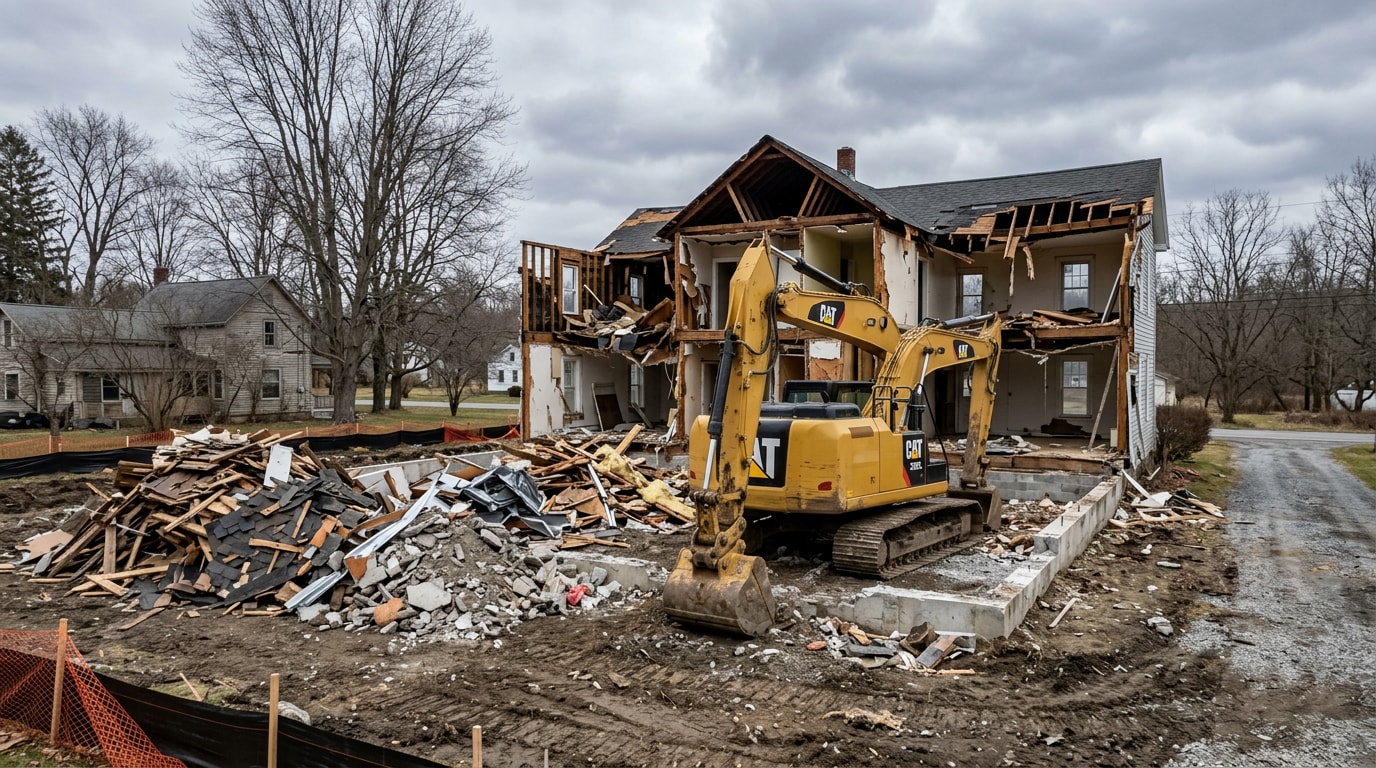
Site work often starts before a single wall goes up. We've handled pre-construction demolition and site prep for commercial projects around Oneonta, including work detailed in our concrete demolition contractors guide for this market.
A contractor's reliability shows up in repeat clients more than in any single project photo. Rather than walking through individual case studies here, browse our project portfolio directly to see the range of commercial, institutional, and renovation work firsthand.
We're based out of Oneonta and also serve nearby Cooperstown, Cobleskill, and Sidney. Learn more about our coverage of the Oneonta area.
Questions to Ask a Commercial Contractor Before Hiring
Ask these questions before signing anything:
- What types of commercial projects do you specialize in? A firm that mostly builds warehouses may not fit a restaurant build-out well.
- Are you licensed and insured for this jurisdiction? Confirm coverage matches the project scope and value.
- Can you provide references from recent, comparable clients? Ask specifically about projects similar in size and type to yours.
- What are the warranty terms, in writing? Get this before you sign, not after a punch-list dispute.
- How do you handle schedule changes or unforeseen conditions? Older downtown buildings often hide surprises behind walls and under floors.
A contractor who answers clearly, without vague hedging, is usually the safer bet. Ready to compare options? Request a free estimate to start the conversation.
How Much Does Commercial Construction Cost in Oneonta, NY?
Costs vary by project type, scope, and site conditions, but a few drivers consistently move the number:
- Permitting and review complexity — downtown historic-district projects add time and cost versus a greenfield site.
- Existing building condition — older Main Street structures often need unplanned structural or mechanical work.
- Material lead times — pre-engineered components and specialty finishes can shift a timeline more than labor availability.
- Compliance layers — medical and food-service build-outs carry inspection requirements that add both cost and schedule.
NYC per-square-foot figures don't translate to an Oneonta budget. Upstate markets generally run lower due to land, labor, and material cost differences, so a detailed local estimate beats any national average.
FAQ
How Do You Choose a Commercial Construction Company in New York?
The contractor you choose shapes nearly everything that follows: budget accuracy, permit turnaround, trade coordination, and how many surprises show up once demolition starts. Compare contractors on experience with your specific project type, communication style, and transparent pricing. That predicts a smoother build better than price alone.
What Types of Commercial Projects Do Contractors in Oneonta Specialize In?
Most local commercial GCs cover retail, office, medical, institutional, and light-industrial work, plus pre-engineered agricultural buildings common around Otsego County. Asking about specialization early confirms project-type fit before you sign anything.
Do I Need a Contractor License in New York State?
There is no statewide general contractor license in New York; licensing is left to cities and counties, creating a fragmented regulatory landscape. Oneonta building permits and Otsego County rules differ from New York City's system. Confirm local requirements directly with the New York State Department of State Division of Licensing Services or your local building department.
How Much Does Commercial Construction Cost in New York?
Costs vary widely by project type and scope. NYC per-square-foot figures don't translate to an Oneonta commercial budget, since upstate markets generally run lower on land, labor, and materials. A detailed estimate from a local contractor beats national or downstate averages every time.
What's the Difference Between a General Contractor and a Design-Build Contractor?
A general contractor builds from drawings someone else produced. A design-build contractor manages both the design and construction under a single contract, which can shorten the timeline and reduce finger-pointing between architect and builder.
How Long Does a Commercial Build-Out Take in Oneonta?
A straightforward retail or office build-out often runs eight to sixteen weeks once permits are in hand. Historic-district review, medical compliance work, or structural surprises in an older building can extend that significantly, which is why a realistic schedule should come from a site visit, not a phone estimate.
Ready to scope your project? Contact Fit & Finish Construction for a free estimate, or visit the homepage to see our full range of services across the region.